
Posts with tag 'realtor duties'
Subscribe and receive email notifications of new blog posts.
 RSS Feed
- 2022 | 15 Posts
- 2021 | 24 Posts
- 2020 | 26 Posts
- 2019 | 11 Posts
- 2018 | 6 Posts
- 2017 | 3 Posts
- 2016 | 19 Posts
- 2015 | 4 Posts
20
What Makes a REALTOR® Different?

It's time to buy or sell a property. You start searching for a representative who can help you navigate the real estate world. Then you find that some identify as REALTORS®, others as real estate agents. While most people use these terms interchangeably, they aren't the same thing. Both list houses for sale and help buyers with the acquisition process, but not every real estate agent can identify as a REALTOR®. Here's what you need to know about the Realtor difference when looking for or adding your home to the list of Morgantown homes for sale.
Real Estate Agents
A real estate agent is a professional who has been granted a state license to engage in transactions relating to the sale, purchase, or rental of property. The license is acquired after the individual passes all required real estate classes and the real estate licensing exam, which can vary widely by state. West Virginia, for example, requires a minimum of 90 hours of classroom instructions. After that, the applicant should pass a written test that covers real estate standards and state and federal real estate laws. A real estate agent must renew his or her license every one or two years and pay an annual fee for it.
28
Mortgages - Six Things You Need to Know to Save Big Money

Most of us make our house payment every month without ever thinking about how we are really spending our money. The fact is, if you purchase a $200,000 house January 1, with zero down, at 5% interest, on a 30-year fixed note, you'll be making a monthly principal and interest payment (not counting PMI, property taxes, and homeowners' insurance) of about $1,073. Some $833 of that monthly payment will go toward interest, and only about $240 to your principle balance. The first year alone will cost you almost $10,000 in interest. Over the life of the loan, you will pay some $186,511 in interest – almost double the cost of the home.
THE TAX DEDUCTION MYTH
What they say: "But...
22
Should I Rent My House While I Try to Sell It?
Home sellers sometimes ask me whether renting their house while we're trying to sell it is a good idea. Particularly if they have moved on to a new job and home, and are now carrying two mortgages, they can be in very real financial trouble. Sometimes divorce is the culprit, as spouses and homes are torn apart, incomes separated, with two sets of living expenses where once there was one. 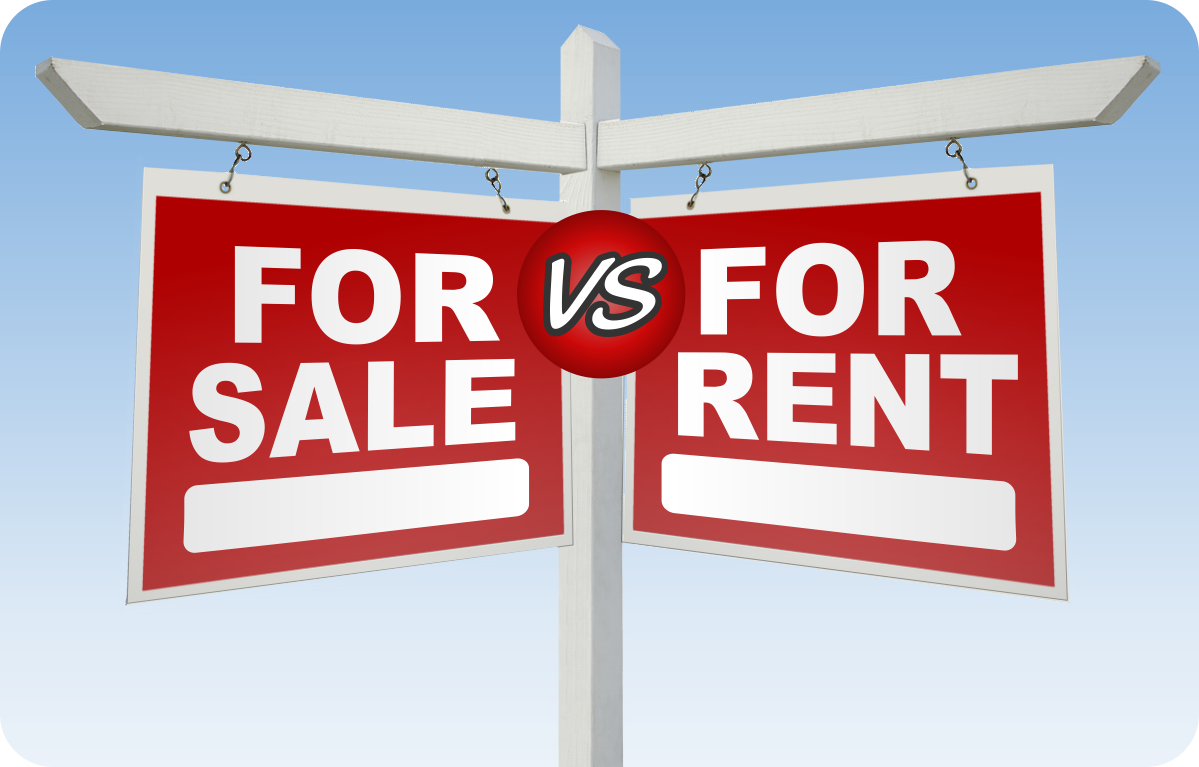 I have seen sellers have their homes repossessed in circumstances such as these, when a renter may very well have prevented foreclosure.
Renting your house while you try to sell it can be a great option financially, assuming the renters pay the rent on time and don't tear the place up, leaving the homeowner to have to facilitate repairs in order to sell the home. Some renters are wonderful, caring for a home like it were their own. They mow the yard, paint th...
27
Closing Costs: What's that Set of House Keys Going to Cost Me?
"Closing costs" is a confusing term. Depending upon who you're talking to, it can encompass various monies which will be required of a buyer in order to get up from a closing table with a new set of keys (hopefully with a  Heritage Real Estate keyring attached). There are numerous charges and fees involved and buyers frequently get the terms mixed up. More often than not, neither lenders nor Realtors thoroughly and clearly explain things to the buyer.
Firstly, there is a difference between "closing costs" and "down payment," something first-time buyers frequently misunderstand. I recently had a deal go south because the buyer's agent didn't bother to explain to him that "zero down" didn't mean there were no costs involved. Imagine his surprise when, two weeks into our contract, he learned he had to come up with $4,000 in closing costs.
Your "down paymen...
25
Blossoms in Fall
I sell houses to support my farming habit. To call myself a farmer would be an insult to all the real farmers since the Lord "put Adam in the Garden of Eden to till it and keep it." To the men and women who have, and do,  eke their living from the ground, I tip my pink camo Tractor Supply cap. I wish there were more like you; we'd be a better nation, a better world.
But I've had my share of planning, planting, struggling, sweating, nurturing, joy, wonder, loss, and failure, followed by mustering strength and hope, and trying again. Each fall, the old farmer saying, "There's always next year," has consoled me when little went as I'd planned.
I planted my first 83 apples trees here at Zion Heritage Farm in the fall of 2013. It took me three days. When the last tree went in the ground, I could barely st...
 Bill Porter, Broker
(304) 612-3746
Bill Porter, Broker
(304) 612-3746207 Aurora Dr
Morgantown, WV 26508
WEST VIRGINIA LICENSES BROKER WVB240300963
AGENCY 010271-00


 Translate

Office License No. 010271-00