
Subscribe and receive email notifications of new blog posts.
 RSS Feed
- 2022 | 15 Posts
- 2021 | 24 Posts
- 2020 | 26 Posts
- 2019 | 11 Posts
- 2018 | 6 Posts
- 2017 | 3 Posts
- 2016 | 19 Posts
- 2015 | 4 Posts
5
How to Make the Most of Fall Planting Season
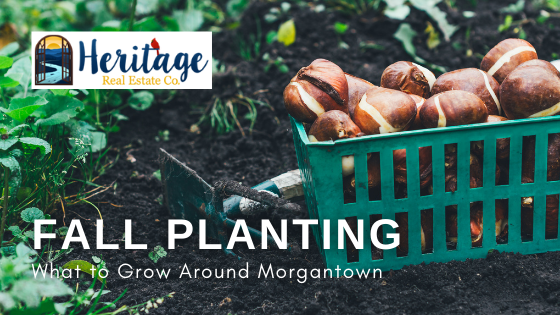
If you're new to gardening, you may think in fall it's time to shut down, but in West Virginia, not so. In our humid subtropical climate, which includes the region where you may be looking at Morgantown homes for sale, fall is prime time to experiment with a whole new palette of plants. Don't stop at perennials and bulbs; you can also plant trees and shrubs, as well as cool weather food crops such as various delicious greens and cole crops such as cauliflower.
Why Plant in Fall?
On average, the first fall frost in our region will be around Oct. 16, so that means you would need to consult a planting guide, such as the Old Farmer's Almanac, which can advise you when you need to start seeds indoors; when to plant seedlings or transplants; or when you need to start seeds outdoors, based on frost dates for harvest.
Fall planting offers many species a chance for roots to establish themselves before the ground freezes in winter. This can be ideal for trees and shrubs, although they should not be planted too late in fall when frost may damage them.
In our region, fall is the ideal time to plant bulbs, as our cooler winters help promote the biochemical process of flowering in spring. The bulbs should be in the ground as soon as it is cool, with evening temperatures between 40 and 50 degrees F. If you can still dig in the ground, then you can still plant bulbs. Bulbs can be stored for a month or so in cool, dry conditions. In our region, plant tulips, daffodils, iris, and many others.
If you're in love with that big burst of spring color from a perennial garden, then get busy planting perennials now. The soil in fall is a lot warmer than in spring, so perennials have a chance to get their root systems established before winter. Get your perennials in the ground at least six weeks before the ground freezes. Remember that frost may stop the plant from growing above ground, but won't kill the plant; the roots will keep growing until the soil freezes.
Water plants thoroughly before planting, allowing roots to soak up water. Plants need less water in the fall, but you can water them once a week until the soil freezes. Hold off on mulching until cold weather arrives: 32 degrees or lower at night. Mulch with leaf litter, straw, or commercial mulch.
What to Plant This Month:
Here's some advice from West Virginia University Extension Service on what to plant in October.
Oct 12 – Plant multiplier or potato onions; plant spring bulbs.
Oct. 13 – Plant or transplant flowering lilies (species that flower from July 15 to Sept. 15).
Oct. 19 – After leaves drop, plant or transplant deciduous trees and shrubs.
Oct. 23 – Plant garlic.
October also is an ideal time to do the following:
- Dig canna, dahlia, and gladiolus bulbs to prevent overcrowding
- Harvest green tomatoes and gourds
- Harvest sweet potatoes
- Divide perennials
- Harvest late pumpkins
- Remove your old crop; seed winter cover crop
- Harvest winter squash
- Top Brussels sprouts
- Prepare beds for spring planting
- Mow lawn for the last time
- Prune roses
Fall planting can extend your connectedness to nature and your landscape, so make the most of it until cold weather sets in. Our real estate agents can point you in the right direction for finding local resources and experts to guide you. Contact us today.
 Bill Porter, Broker
(304) 612-3746
Bill Porter, Broker
(304) 612-3746207 Aurora Dr
Morgantown, WV 26508
WEST VIRGINIA LICENSES BROKER WVB240300963
AGENCY 010271-00



 Translate

Office License No. 010271-00