
Subscribe and receive email notifications of new blog posts.
 RSS Feed
- 2022 | 15 Posts
- 2021 | 24 Posts
- 2020 | 26 Posts
- 2019 | 11 Posts
- 2018 | 6 Posts
- 2017 | 3 Posts
- 2016 | 19 Posts
- 2015 | 4 Posts
17
The Danger in Doing the Deed - Pitfalls for Unmarried Home Buyers
I was sitting in a local coffee shop with a nice, young couple giving them my crash course in first-time home buying; everything from loan pre-approval to the costs involved, to inspection contingencies and contract clauses.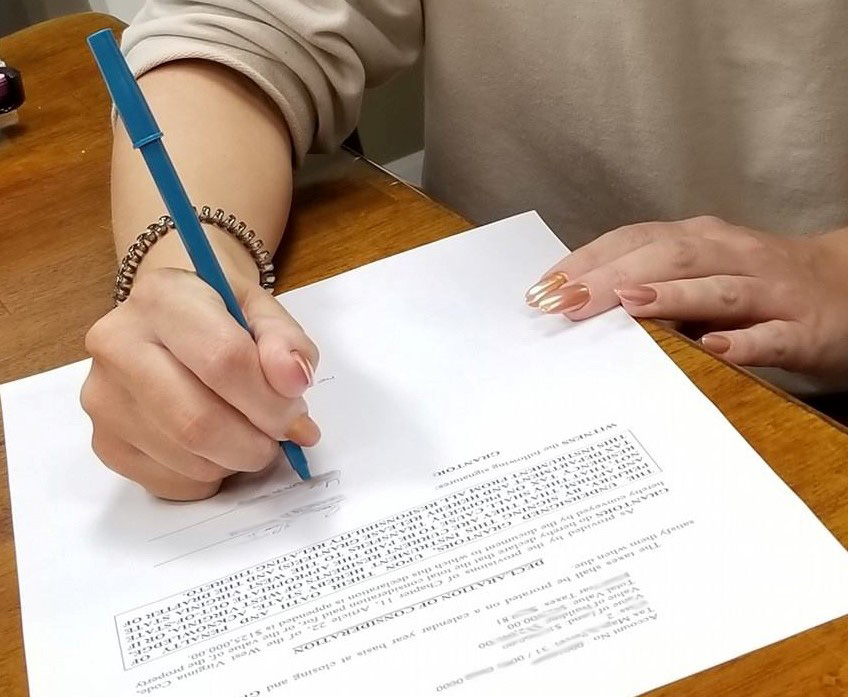
They'd dated since high school, been engaged for a couple of years, were about to be married, and ready to start shopping for their first home. "Is there anything we need to know," he asked, "since we're not married yet?" It was an astute question.
A lot of things have changed about the real estate business since I got into it nearly 20 years ago, including the number of unmarried young people buying homes together. A surprisingly common scenario is one in which young, first-time home buyers have only been dating a few months and decide to save on rent and buy a house. Often, one of the partners will have bad credit or none at all, while the other has good credit and perhaps a better income. This leaves the partner with the good credit as the only name on the loan. And, because they believe they're going to live happily-ever-after, they both expect to be listed on the Deed as owners.
When you're young (or even not so young) setting up house is romantic and exciting, and we all want to believe we're going to live happily-ever-after. But hard, fast data proves some 40-50% of marriages end in divorce and the group most likely to call it quits are 20-somethings. And that's just the ones who have the solidity of a marital commitment. I often look across the table at kids barely out of high school and know they will be fighting over who gets the X-box five years from now, if it takes that long.
So, let's look at a couple of scenarios with a make-believe couple, Brad and Bunny, and see how this pans out.
Let's say Brad, chisel-chinned, true blue, and loyal to a fault, has stellar credit and most of the income, so the loan is in his name, and he's on the Deed. Bunny, cute as a button (if a bit flighty), has bad credit, so she's not on the loan. But Brad adores her and just knows they're going to grow old together. So, he has her added to the Deed to show his deep trust and undying affection. Brad now owes ALL the money, while Bunny owes NO money but does own a half-interest in the house. If she grows tired of Brad and hops off with Biff, she leaves poor, broken-hearted Brad to make all the payments or have his credit destroyed. When it comes time to sell the house, though, the little trollop is half-owner and is entitled to half the proceeds without any of the responsibility.
But hold on, let's step into an alternate universe in which it's Bunny who is loyal and true and Brad who is bad news. That sweet girl, working overtime at the Burger Flipper, scrapes every penny she has into making the house payments, while Brad blows his check on a new truck, motorcycle, and gun collection. Bunny makes ends meet, cleans, cooks, paints the kitchen, retiles the bathroom floor, and plants a garden in the back yard, while dreaming of a fairy tale wedding and babies. When Butt-head Brad decides he's had enough of playing house and would rather run with the boys and hang out at the bar than cuddle with Bunny on the couch, she is out in the cold with no ready claim to the home or money she has invested in it because she wasn't listed on the Deed.
While Brad and Bunny are make-believe, I have seen real-life scenarios just like these; people financially ruined by people they loved and trusted, who did not share the same sense of loyalty, responsibility, or commitment. Sure, stuff like this happens to married couples. But most states have laws which afford protection to those with marriage vows, which do not necessarily apply to live-ins. Similar situations can also arise for relatives who co-sign or obtain loans for for family members who turn out to be deadbeats. It can haunt them for years.
No matter how old and wise you are, committing to purchasing, or helping someone purchase, a home is a serious undertaking. Save yourself some heartache and think carefully before telling the title attorney how you want him to do the Deed.
I am not an attorney, and this is by no means meant to be construed as legal advice. If you have questions about legal protections in purchasing a home, I highly suggest you consult with a licensed attorney.
© Heather Neill
 Bill Porter, Broker
(304) 612-3746
Bill Porter, Broker
(304) 612-3746207 Aurora Dr
Morgantown, WV 26508
WEST VIRGINIA LICENSES BROKER WVB240300963
AGENCY 010271-00


 Translate

Office License No. 010271-00