
Subscribe and receive email notifications of new blog posts.
 RSS Feed
- 2022 | 15 Posts
- 2021 | 24 Posts
- 2020 | 26 Posts
- 2019 | 11 Posts
- 2018 | 6 Posts
- 2017 | 3 Posts
- 2016 | 19 Posts
- 2015 | 4 Posts
4
What is Title Insurance (and do I need it?)
 Just like the title to your car, "Title" to a piece of property is a bundle of rights, including use of the land, water, and minerals on a piece of land. Those rights can be split up between different parties. For instance, you can own the rights to the ground on a piece of property, while I can hold the rights to the minerals found in that ground. In West Virginia, it is very common for minerals rights not to convey with surface (ground rights); mineral rights have often been sold off to mining companies.
These rights to a piece of property are conveyed by a Deed. Title, together with the Deed, is the evidence and proof of your lawful ownership and possession of it.
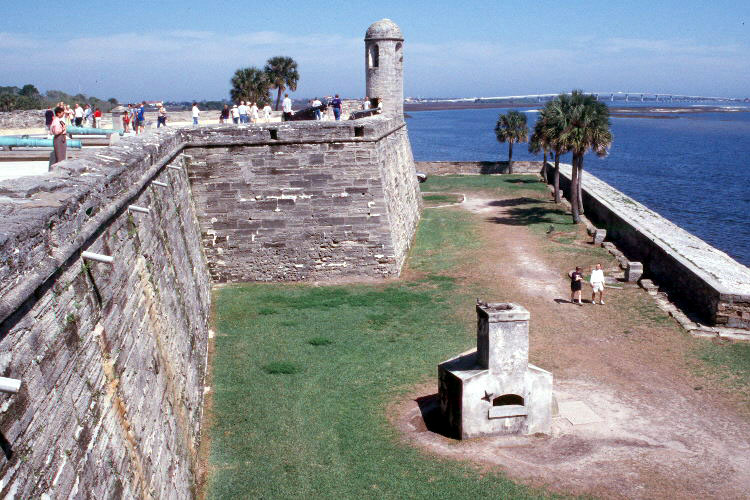
Title insurance protects you from loss or damages from things such as liens or defects in the chain of title. "Chain of Title" is your property's history, and includes all past transactions and records such as sales, bequeaths, mortgages, or liens placed on the property by either individuals or corporations. Chain of title can go back hundreds of years. In Florida, for instance, titles can often be traced back to the arrival of Spaniards in St. Augustine!
Title insurance for property owners is called an Owner's Policy, and is normally issued in the amount of the home's purchase price. It is purchased for a one-time fee at closing and is valid for as long as you or your heirs have an interest in the home or land. The Owner's Policy protects you if a covered title problem arises with the title that was not found during the title search.
If you are purchasing a home with a bank loan, the bank will require owner's title insurance, and, depending upon what state you live in, or lender you use, they may require a lender's title insurance policy as well. The lender's policy, which protects the bank's interests, is similar to the owner's policy, but you will be required to pay for it. If you are paying cash for your home, title search and insurance are optional, but usually strongly suggested.
Before issuing your title policy, the title agent or attorney will do a title search to determine whether there are any "clouds" on the title – problems such as liens or gaps in the chain of title. They will issue a report for you and your lender to review and any problems with the title will be itemized. If a clear title cannot be provided, you should be able to withdraw from the purchase contract and should receive back your earnest money deposit.
Possible hidden title problems which may be covered by title insurance can include:
- Errors or omissions in deeds
- Errors in tax records
- Liens against the property
- Someone else claiming ownership interest in your property
- Mistakes in examining title records
- Forged deeds, mortgages, wills, and releases of mortgages
- Undisclosed heirs
- Misinterpretation of wills
- Inadequate legal descriptions
- Adverse possession
- Improperly executed documents from a previous sale
If your home's title is challenged in a situation covered by the title insurance policy, the title insurance company will either "perfect the title (fix the problem)" or pay to defend against the challenge.
Just as car insurance coverage varies from policy to policy, so does title insurance. Each policy has its own exclusions, terms, and conditions. There may be limitations set forth in your title policy, so talk to your title agent about what they cover and what they do not cover.
The foregoing is a summary explanation of title search and insurance, and does not constitute complete information or legal advice. Please seek the counsel of a real estate attorney or title company for more in-depth information.
 Bill Porter, Broker
(304) 612-3746
Bill Porter, Broker
(304) 612-3746207 Aurora Dr
Morgantown, WV 26508
WEST VIRGINIA LICENSES BROKER WVB240300963
AGENCY 010271-00


 Translate

Office License No. 010271-00