
Subscribe and receive email notifications of new blog posts.
 RSS Feed
- 2022 | 15 Posts
- 2021 | 24 Posts
- 2020 | 26 Posts
- 2019 | 11 Posts
- 2018 | 6 Posts
- 2017 | 3 Posts
- 2016 | 19 Posts
- 2015 | 4 Posts
18
SAFE AT HOME: SMOKE ALARMS
SAFE AT HOME: SMOKE ALARMS
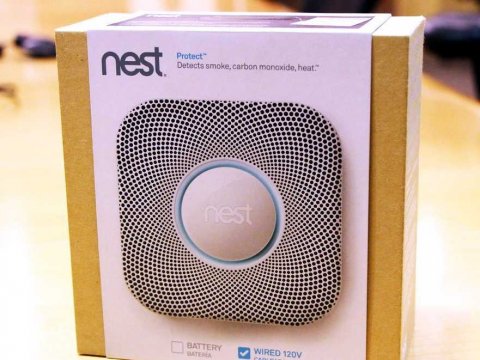
Smoke alarms are an important defense against injury or death in house fires. The National Fire Protection Association states that nearly two-thirds of home fire fatalities happen in homes with non-working or missing smoke detectors. Most building codes now require smoke detectors in all residential structures, which has resulted in a steep drop in fire- and smoke-related deaths. Homeowners should check with their local public safety office or fire department for specific information on these requirements.
As in real estate, location is important! Smoke alarms should be in installed every bedroom, outside every sleeping area, and on each level of the home. Nearly two-thirds of home fire fatalities happen in homes with non-working or missing smoke detectors. Most building codes now require smoke detectors in all residential structures, which has resulted in a steep drop in fire- and smoke-related deaths. Homeowners should check with their local public safety office or fire department for specific information on these requirements.
Alarms should be placed high on a wall or on the ceiling. It's best to follow the manufacturer's instructions for placement. High, peaked ceilings have dead air space at the top; in these instances smoke alarms should be placed no closer than 3 feet from the highest point.
For areas close to the kitchen, use a detector with a "hush button" that can be used to silence nuisance alarms triggered by cooking smoke or steam. Alternatively, consider installing a photoelectric alarm near the kitchen, which will not be triggered by cooking. No matter which type is used, never remove the unit's battery to stop or prevent nuisance alarms.
- There are two primary types of smoke alarm technology: ionization and photoelectric. According to the National Fire Protection Association, ionization alarms are more responsive to flames, while photoelectric alarms are more sensitive to smoldering fires. For the most comprehensive protection, both types or a combination unit should be installed. Some units, such as the Nest, shown here, also detect carbon monoxide.
- Alarms should be tested monthly. It's helpful to put a reminder in your calendar to do this on the first or last day of the month, for example. The units have a test button that will sound the alarm for a moment or two when pressed. Any alarm that fails to sound should have the battery replaced. If the test button fails with a new battery, replace the entire detector immediately. Monthly testing is also an ideal time to dust off the unit so that it continues to work properly.
Replace the batteries at least once a year. A common rule of thumb is to do this when changing to or from Daylight Saving Time in fall or spring. Remember, a non-working alarm is no better than no alarm at all. Some alarms now come with 10-year lithium batteries that eliminate the need for new batteries, but the unit itself must be replaced after its ten-year lifespan.
Many thanks to Pillar to Post Home Inspections for great smoke alarm info!
 Bill Porter, Broker
(304) 612-3746
Bill Porter, Broker
(304) 612-3746207 Aurora Dr
Morgantown, WV 26508
WEST VIRGINIA LICENSES BROKER WVB240300963
AGENCY 010271-00



 Translate

Office License No. 010271-00